.jpeg)
The Tamang Heritage Trail is a cultural trek in Nepal’s Langtang region that brings you deep into the heart of the Tamang people, one of Nepal’s oldest mountain communities. This trek is ideal for those who want a moderate adventure without going to extreme altitudes, while still enjoying breathtaking Himalayan landscapes and rich traditions.
Starting with a drive from Kathmandu to Syabrubesi, the trail winds through traditional Tamang villages like Gatlang, Tatopani, and Thuman, where you'll experience local hospitality, cuisine, and spiritual life. Along the way, relax in a natural hot spring, visit ancient monasteries, and soak in views of snow-capped peaks from Nagthali viewpoint.
The trek continues into Langtang Valley, culminating at Kyanjin Gompa, a stunning alpine village near glaciers and surrounded by high Himalayan walls. Finally, you return to Kathmandu via Syabrubesi with unforgettable memories of the people, peaks, and peaceful trails.
Your journey begins with a scenic drive from Kathmandu to Syabrubesi, a gateway village to the Langtang region. The drive follows the winding Trishuli River, offering views of terraced fields, green hills, and glimpses of Ganesh Himal on clear days. The final stretch of the road gets bumpy and narrow as you ascend towards the Rasuwa district. Passing through the bustling trade town of Dhunche, the landscape changes into a mountainous terrain. Syabrubesi is a modest settlement with basic amenities and marks the starting point of your trek.
The trail begins with a gradual uphill climb through terraced hillsides and Tamang settlements. You’ll pass Goljung, a culturally rich village, where locals may host traditional music or dance performances. The route provides intermittent views of the Langtang range, lush valleys, and deep gorges. Upon reaching Gatlang, perched on a terraced slope, you’ll be welcomed by traditional Tamang houses and smiling villagers. A visit to the local Tamang monastery and the sacred Parvatikunda Lake adds depth to the cultural immersion on this day.
Leaving Gatlang, the trail descends to the Chilime valley, crossing a suspension bridge over the river. After this, a steep ascent through pine forests leads to Gonggang village. Continuing uphill, you eventually reach Tatopani, named after the natural hot springs located nearby. Although the original spring was affected by the 2015 earthquake, many lodges still provide heated water baths. This is a great place to relax and recover from the early days of hiking while enjoying distant views of Langtang and Ganesh Himal.
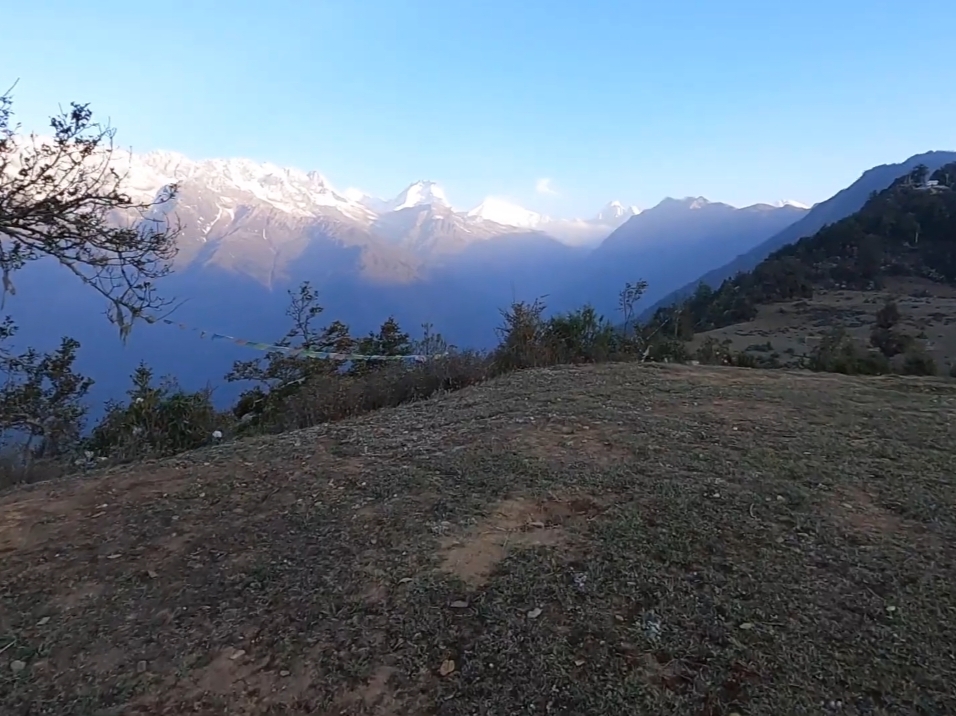
Today’s trek is both scenic and culturally enriching. The first leg ascends gradually through forests filled with rhododendrons and possible wildlife sightings like monkeys and deer. After 2–3 hours, you reach Nagthali, a former meditation center for local monks, offering one of the best viewpoints in the Langtang region. From here, enjoy panoramic views of Langtang Lirung, Ganesh Himal, Kerung, and Sanjen ranges. After lunch or a short rest at Nagthali, descend to Thuman, a village influenced heavily by Tibetan culture, known for its spiritual practices and friendly locals.
Today’s trail follows a scenic path downhill to Lingling, a quaint village nestled in the forest. From there, the trail gently ascends to Briddhim, a charming village with strong Tibetan Buddhist roots. Briddhim is known for its unique community-based homestay model where visitors experience real Tamang hospitality. Most of the houses here are built in a traditional style, and you’ll often find prayer flags fluttering and locals engaged in daily rituals. A visit to the local monastery is recommended.
Leaving Briddhim, the trail descends and merges with the Langtang Valley route. You’ll pass through dense forests filled with pine and oak, follow the Langtang Khola, and gradually ascend to Lama Hotel. This area, tucked along the river, is a popular overnight stop for trekkers heading toward Langtang Valley. The peaceful setting, surrounded by forest and the soothing sound of flowing water, offers a tranquil experience.
Today’s trail ascends steadily along the Langtang River, passing through forests, waterfalls, and small settlements like Ghodatabela. The vegetation thins as you approach Langtang village, heavily affected by the 2015 earthquake but now rebuilt. The area opens up into wide yak pastures with impressive mountain views. Langtang village offers insight into the lives of Tibetan-influenced communities, their resilience, and their strong spiritual traditions.
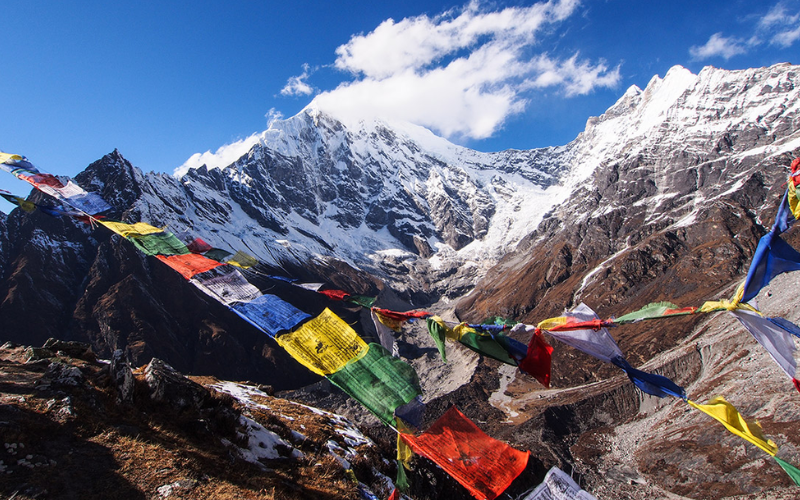
A relatively short hike takes you to Kyanjin Gompa, one of the spiritual and scenic highlights of the trek. Along the way, you pass yak pastures, stone walls, and alpine meadows. On reaching the village, surrounded by towering snow peaks, you can explore the centuries-old Kyanjin Monastery and visit a local yak cheese factory. For those with energy left, optional hikes to Kyanjin Ri or Tserko Ri are available the following morning.
Retrace your steps down the Langtang Valley, moving past Langtang Village, Ghodatabela, and through thick alpine forest. The long descent gives you a chance to revisit some scenic points from a different perspective. The landscape transitions back to dense forest and riverbanks as you descend to Lama Hotel for the night.
The final trekking day brings you down through rhododendron and bamboo forests with occasional village encounters. You follow the Langtang Khola back to Syabrubesi. The walk is mostly downhill and offers ample time to relax and reflect on the journey. The village of Syabrubesi offers basic shops and eateries, and is the same point where your trek began.
After breakfast, board a vehicle for the long yet scenic drive back to Kathmandu. The route follows the same winding highway, offering final glimpses of the Himalayas, rolling green hills, and terraced farmlands. Once in the capital, you can spend the evening exploring the vibrant markets or relaxing after the trek.