.jpeg)
Langtang Valley Trek is a hidden Himalayan paradise that offers snow-capped peaks, Tibetan culture, and breathtaking trails.
Nestled in the shadow of the towering Himalayas, the Langtang Valley Trek is one of Nepal's most underrated trekking adventures. Often overshadowed by the popular Everest and Annapurna circuits, Langtang remains a quiet, raw, and culturally rich trail just a day’s drive from Kathmandu.
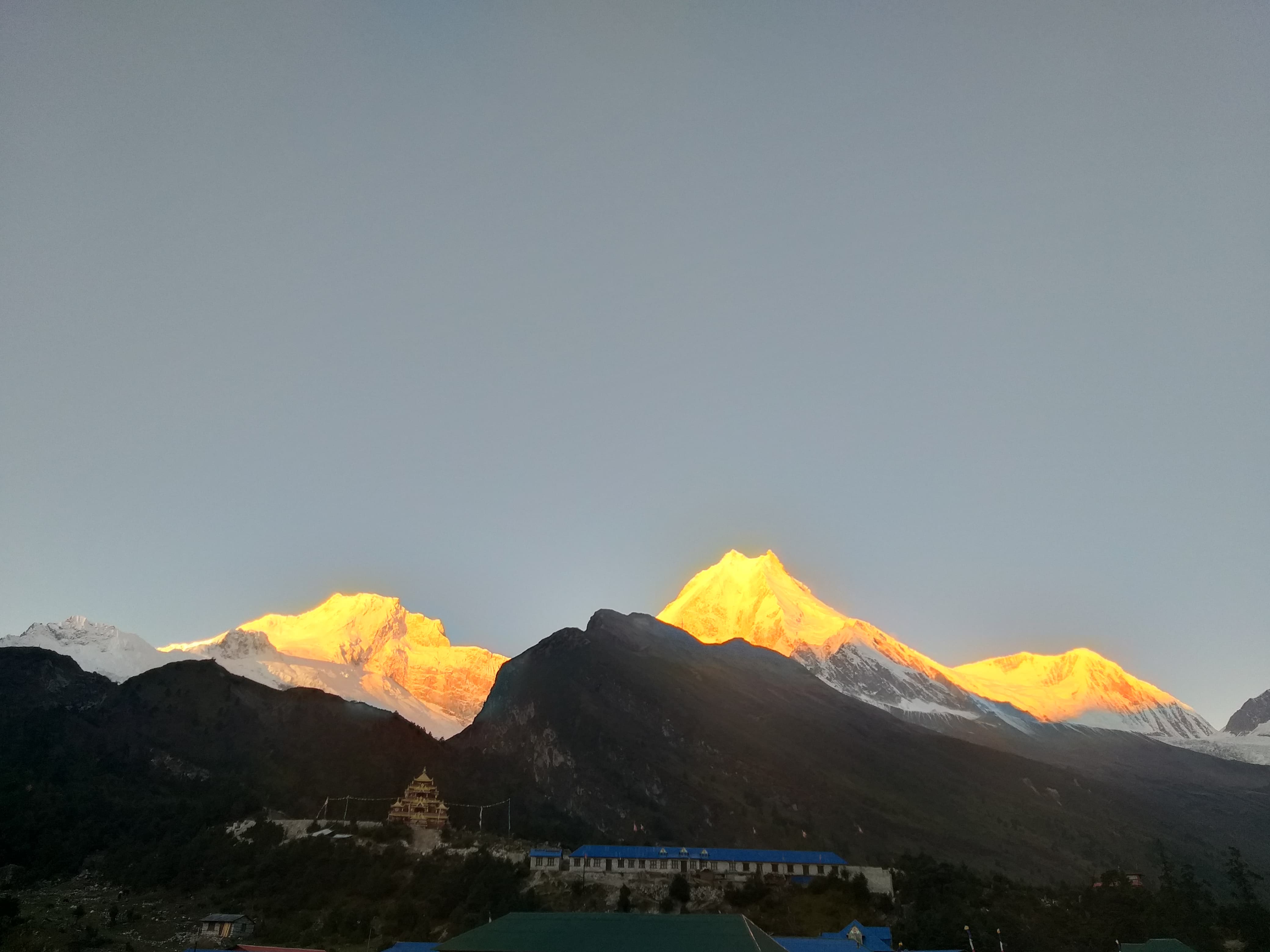
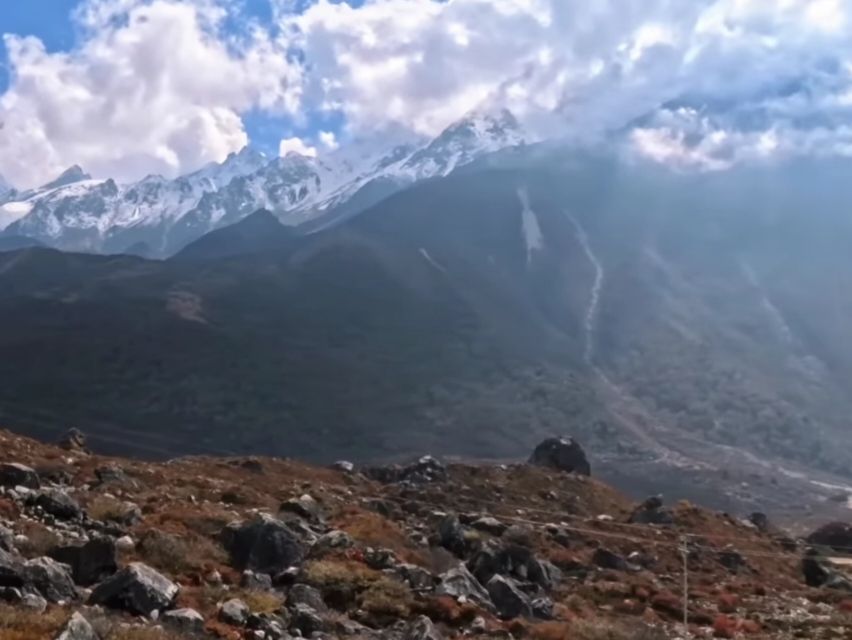
Known as the “Valley of Glaciers,” the region is brimming with natural beauty—think snow-capped peaks, lush forests, yak pastures, alpine meadows, and glacial streams. And yet, despite its accessibility and spectacular offerings, Langtang receives only a fraction of the trekkers that flock to other parts of Nepal. This makes it an ideal destination for those craving solitude, cultural immersion, and raw Himalayan beauty.
Upon arrival at Tribhuvan International Airport in Kathmandu, you will be met and transferred to your hotel. Kathmandu, the capital of Nepal, sits at an elevation of approximately 1,400 meters and is known for its rich cultural heritage and historical landmarks. Depending on your arrival time, you may have a chance to explore nearby areas such as Thamel, a popular tourist district known for its shops, restaurants, and trekking gear outlets. A briefing session for the upcoming trek will usually be held in the evening by your Guide.
Today begins with a long overland journey from Kathmandu to Syabrubesi, the starting point of the Langtang Valley Trek. The drive covers approximately 120 kilometers and takes about 7 to 9 hours depending on road conditions. The route passes through winding mountain roads, offering views of terraced fields, local villages, and distant peaks on clear days. The road, although scenic, can be rough and landslide-prone during the monsoon season, so delays are common. Syabrubesi is a small town in Rasuwa District, serving as a base for trekkers heading into the Langtang region.
The trek officially begins today as you ascend through a mixture of subtropical forests and river valleys. The trail follows the Bhote Koshi River and later merges with the Langtang Khola. You will cross several suspension bridges and pass through small settlements like Domen and Bamboo. The forest is home to native wildlife such as red pandas, langurs, and Himalayan black bears, although sightings are rare. The day’s hike usually takes 6 to 7 hours and ends at Lama Hotel, a simple cluster of teahouses located in a forested area along the river.
The trail continues upward through oak, maple, and rhododendron forests before reaching the open pastures of Ghoda Tabela, where the landscape begins to change and the mountains become more prominent. After passing several small settlements and temporary yak herder camps, you arrive at Langtang Village, a historic Tamang village. This area was heavily damaged in the 2015 earthquake, and much of the village has since been rebuilt. The trek takes about 5 to 6 hours. Langtang offers a closer look at local Buddhist culture, including traditional stone-built houses and prayer wheels.
Today’s trek is relatively shorter, around 3 to 4 hours, allowing for more time to acclimatize. As you ascend gradually through yak pastures and wide-open glacial valleys, the views of Langtang Lirung (7,227 m) and surrounding peaks become more dramatic. Along the way, you will pass mani walls and chortens—Buddhist religious monuments. Kyanjin Gompa is a small settlement with a functioning monastery and a famous cheese factory established with Swiss assistance in the 1950s. The area is surrounded by glaciers and snow-capped peaks, making it an ideal base for short hikes and exploration.
To aid in altitude acclimatization and explore the surroundings, this rest day includes optional hikes to nearby viewpoints. A popular excursion is the trek to Tserko Ri (4,984 m), which offers panoramic views of the Langtang range and takes about 5 to 7 hours round trip. Alternatively, you can hike to Langshisha Kharka or visit the glacier fields closer to Langtang Lirung. Staying active at altitude while avoiding overexertion is essential. In the afternoon, you may explore the monastery or relax in the teahouse with views of the surrounding peaks.
You retrace your steps back down the valley today, descending nearly 1,400 meters. The trek takes about 6 to 7 hours, covering the same trail through Langtang Village and Ghoda Tabela, finally ending again at Lama Hotel. Descending is generally quicker but requires careful footing, especially on steep or rocky sections. The dramatic change in altitude makes the air thicker, and the warmer temperature will likely be a relief after the cold nights in Kyanjin.
Today marks the final trekking day, descending further through forests and river valleys back to Syabrubesi. The walk takes around 5 to 6 hours. This is an opportunity to take in your last views of the Langtang Khola and the serene mountain surroundings. Back in Syabrubesi, you can enjoy a hot shower, a proper meal, and reflect on the trek before returning to the capital.
You return to Kathmandu today via the same route you came by, a 7 to 9-hour drive depending on road and traffic conditions. Upon arrival, you will be transferred to your hotel. This evening offers a chance to revisit local markets or enjoy dinner in one of the many restaurants that serve both Nepali and international cuisine.
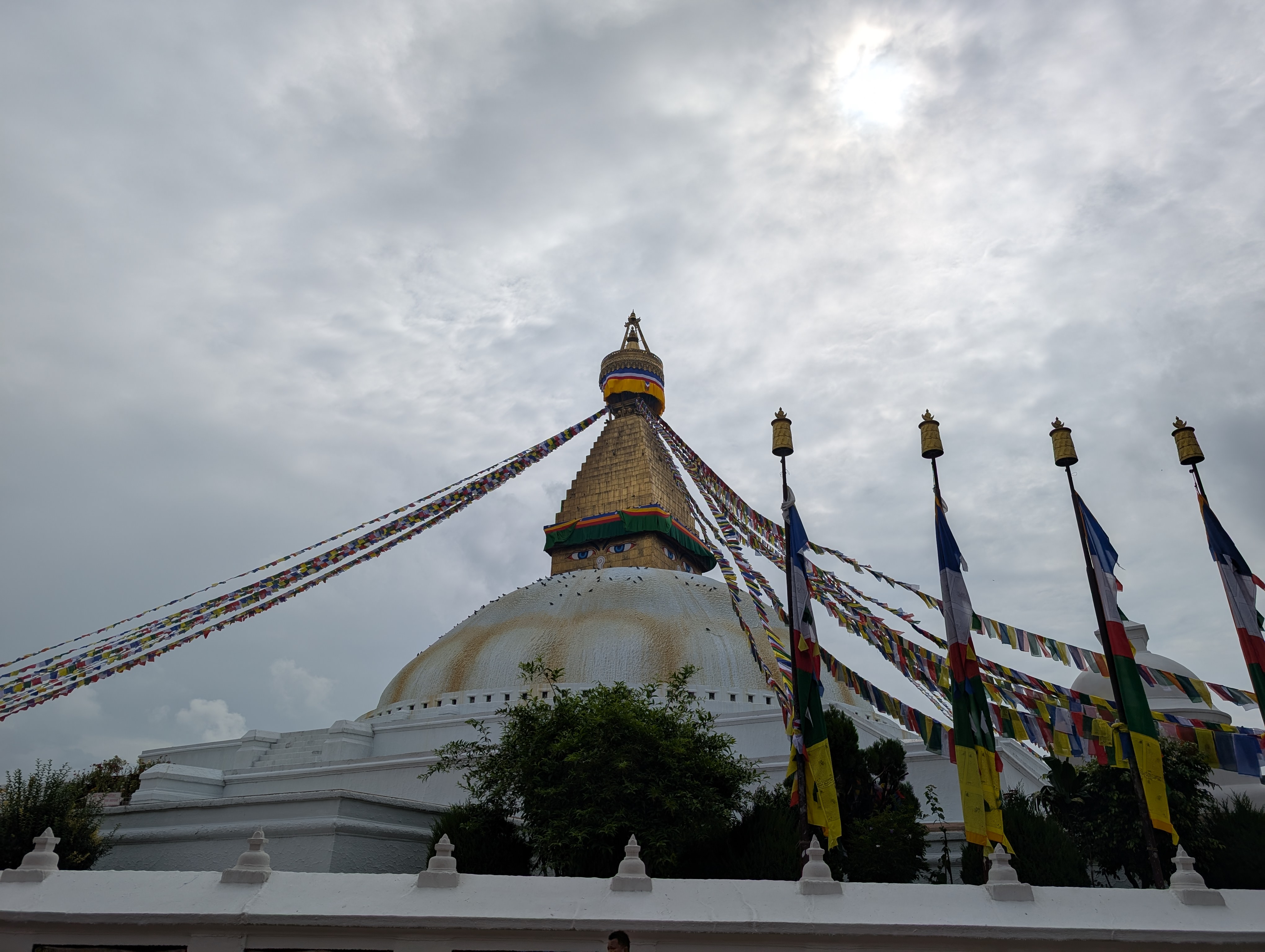
This optional day allows for rest or exploration of Kathmandu’s cultural heritage sites. You can visit UNESCO World Heritage Sites such as Swayambhunath (Monkey Temple), Pashupatinath Temple, Boudhanath Stupa, and Patan Durbar Square. These locations offer deep insights into Nepal’s religious and architectural history. You may also shop for souvenirs, handicrafts, or traditional clothing in the markets of Thamel or Asan.
Depending on your flight schedule, you may have time for a leisurely breakfast or some last-minute shopping. A transfer to Tribhuvan International Airport will be arranged for your departure. With memories of Himalayan peaks, highland villages, and cultural encounters, your Langtang journey concludes here.
.jpg)